
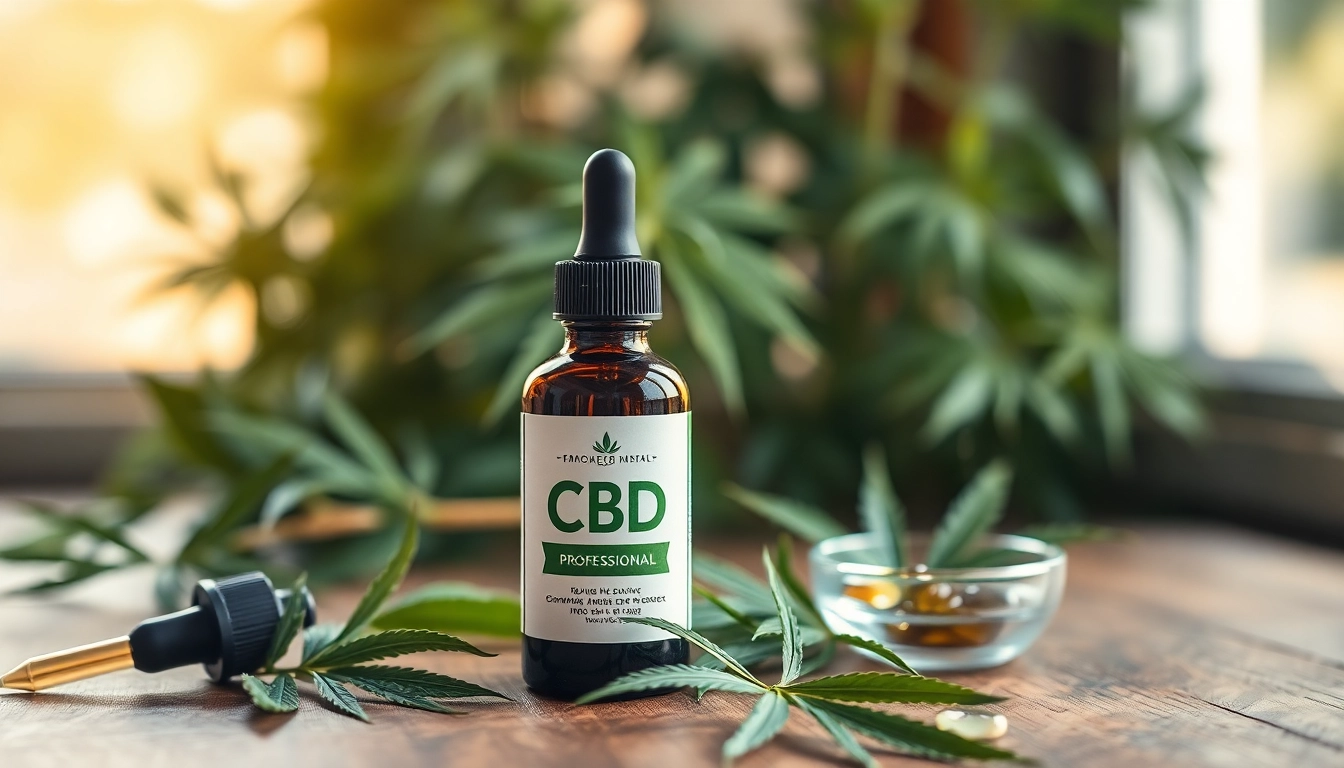
The Fundamentals of CBD Oil
What is CBD Oil?
Cannabidiol, commonly known as CBD, is one of over 100 compounds found in the cannabis plant. Unlike its more famous counterpart, tetrahydrocannabinol (THC), CBD does not produce psychoactive effects, meaning it won't get you "high." Instead, CBD Oil is recognized for its potential therapeutic properties and has become a popular natural remedy for various health concerns. This versatile oil can be derived from both marijuana and hemp plants, with the latter being more commonly used due to its legality and lower THC content. CBD Oil is typically extracted from the flowers, leaves, and stalks of hemp to create a concentrated product that can be consumed in various forms.
How is CBD Oil Made?
The process of creating CBD Oil starts with the cultivation of hemp plants, specifically strains that are high in CBD and low in THC. Once harvested, the plant material undergoes extraction, which can be conducted using several methods:
- CO2 Extraction: This method employs carbon dioxide under high pressure to extract CBD while maintaining purity. It's recognized for yielding high-quality oil, free from chlorophyll and other unwanted compounds.
- Solvent Extraction: Using solvents like ethanol or butane, this method extracts cannabinoids but may leave traces of harmful chemicals if not purified correctly.
- Olive Oil Extraction: A natural and safe method where olive oil is used to extract cannabinoids. This oil is then heated to concentrate the CBD but has a shorter shelf life compared to others.
After extraction, the oil may need further refinements to remove impurities and enhance its potency. The resulting product may vary in concentration and flavor, depending on the extraction method and subsequent processing.
Common Uses of CBD Oil
CBD Oil has a wide array of applications across different demographics. Here are some of the most common uses:
- Pain Management: Many people use CBD Oil as an alternative to traditional pain relief medications to alleviate chronic pain conditions like arthritis, migraine, and fibromyalgia.
- Anxiety and Depression Relief: Studies suggest that CBD may help to reduce feelings of anxiety and depression, thus offering a potential remedy for those experiencing these mental health issues.
- Improvement of Sleep Disorders: Those suffering from insomnia or other sleep disorders often turn to CBD for its calming effects that may promote better sleep.
- Skincare: CBD’s anti-inflammatory properties make it a popular ingredient in skincare products designed to treat acne and other skin conditions.
Benefits of CBD Oil
Health Benefits of CBD Oil
The health benefits of CBD Oil are numerous and continue to be researched. Here are some of the potential benefits supported by scientific literature:
- Anti-inflammatory Benefits: CBD has been shown to reduce inflammation in the body, which can be beneficial for various conditions, including arthritis.
- Seizure Control: One of the most compelling applications of CBD Oil is in the treatment of epilepsy. Studies have shown that CBD can significantly reduce the frequency of seizures in affected individuals.
- Neuroprotective Properties: CBD has shown promise in neurological disorders, with some research suggesting it may help protect the brain from conditions such as Alzheimer’s and Parkinson’s diseases.
- Gut Health: CBD may also benefit gastrointestinal health by addressing symptoms of conditions like irritable bowel syndrome (IBS).
Research on CBD Oil Efficacy
Research surrounding CBD Oil is rapidly evolving, with numerous studies supporting its therapeutic potential. For example, a study published in The New England Journal of Medicine found CBD effective in reducing seizures in patients with rare forms of epilepsy. Further research has indicated its efficacy in treating anxiety and the effects of PTSD. However, it's crucial to continue studies to fully understand the long-term effects and potential applications of CBD Oil in medicine.
CBD Oil for Stress and Anxiety Management
Stress and anxiety have reached epidemic levels in modern society, leading many to seek alternative treatment methods. CBD Oil has gained traction as a natural remedy, offering a way to decrease feelings of anxiety and stress. Countless anecdotal reports highlight its calming effects, and preliminary research supports these claims. Remarkably, CBD does not appear to induce sedation but rather seems to create a calming and relaxing effect without causing lethargy, making it an appealing option for those who need to remain alert.
How to Use CBD Oil Effectively
Dosing Guidelines for CBD Oil
Determining the right dosage of CBD Oil can be challenging, as it varies widely depending on individual factors such as body weight, metabolism, and the specific condition being treated. As a general guideline, starting with a low dose (5-10 mg) is recommended, then gradually increasing it based on how your body responds.
Many experts advocate for the "start low, go slow" approach, which emphasizes patience and consistency in finding an effective dose.
Choosing the Right CBD Oil Product
Given the vast array of CBD products on the market, making an informed selection is crucial. Look for products that have been third-party tested, ensuring they contain the amount of CBD stated on the label and are free from harmful substances. Also, consider the following aspects:
- Type of CBD: Full-spectrum oils contain all cannabinoids, including THC, while broad-spectrum oils have multiple cannabinoids but no THC, and CBD isolate contains only CBD.
- Extraction Method: Opt for products that use CO2 extraction or olive oil extraction, as these methods are considered safer and more effective.
- Ingredients: Ensure the product is free from additives, preservatives, and artificial ingredients to guarantee its purity.
Methods of Consumption for CBD Oil
There are various methods to consume CBD Oil, each offering distinct advantages and preferences:
- Sublingual Tinctures: Placing a few drops under the tongue allows for rapid absorption into the bloodstream for quicker results.
- Capsules: These provide a convenient and tasteless option, though they might take longer to enter the bloodstream as they need to be digested.
- Topicals: Creams, balms, and lotions infused with CBD can be applied directly to the skin, offering localized relief for muscle and joint pain.
- Ingestible Edibles: Gummies and other edible products allow for an enjoyable consumption experience, but potency and effects can vary.
Safety and Side Effects of CBD Oil
Common Side Effects of CBD Oil
While CBD Oil is celebrated for its therapeutic benefits, it is not without potential side effects. Commonly reported side effects include:
- Drowsiness
- Dry Mouth
- Changes in appetite
- Nausea
Most individuals tolerate CBD well, but it is important to monitor your response and adjust your dosage if needed.
Drug Interactions and Considerations
CBD can interact with medications metabolized by the liver’s cytochrome P450 enzyme system, potentially altering the effectiveness of these medications. Those taking other medications should consult healthcare professionals before starting CBD Oil to avoid adverse interactions. It’s especially crucial for individuals on blood thinners or other medications with similar metabolic pathways.
Legal Status of CBD Oil in the U.S.
The legal landscape for CBD Oil is complex and varies by state. As per the 2018 Farm Bill, hemp-derived CBD Oil containing less than 0.3% THC is federally legal. However, many states have their regulations regarding the use and sale of CBD products, making it essential for individuals to be informed of local laws concerning CBD Oil.
Debunking Myths About CBD Oil
Understanding the Difference: CBD Oil vs. THC
A common misconception is that all cannabis products will trigger psychoactive effects. It's essential to differentiate between CBD and THC clearly; THC is the compound responsible for the intoxicating effects associated with marijuana, while CBD provides therapeutic benefits without the high.
Myths Around Addiction and Dependency
Despite ongoing stigma, CBD is generally regarded as non-addictive. Research shows that it does not produce dependence or withdrawal symptoms, making it a safer alternative than many prescription medications.
FAQs About CBD Oil Usage
Individuals seeking to understand CBD Oil often have several questions. Here are a few frequently asked questions:
- Is CBD Oil legal? Yes, as long as it is derived from hemp and contains less than 0.3% THC.
- Will CBD Oil show up on a drug test? While drug tests typically look for THC, it's essential to use caution, as some full-spectrum products may contain enough THC to affect results.
- How long does it take for CBD Oil to work? This can vary based on the method of consumption. Sublingual tinctures may take effect within 15 minutes, while edibles may take one to two hours.