
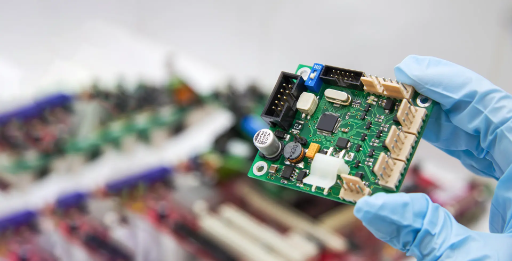
Electronic devices have transformed significantly over the past few decades, becoming more powerful, compact, and interconnected. Behind these advancements lies a range of essential components that support reliable electrical performance, including connectors. Connector technology has evolved alongside electronic devices, adapting to changing demands for speed, efficiency, durability, and miniaturization.
Today, crimp connectors a vital role in enabling communication and power transfer within countless electronic products. Their continuous development has helped support innovation across industries ranging from consumer electronics and telecommunications to automotive systems and industrial automation.
The Growing Importance of Connector Technology
As electronic devices become more sophisticated, they require increasingly reliable methods of transmitting power and data. Early connectors were designed primarily for basic electrical connections, but modern applications demand greater performance and versatility.
Connector technology continues to evolve to support faster data transmission, higher power capacities, and more compact device designs. This evolution has made connectors an essential part of modern electronics.
Key Stages in the Evolution of Connector Technology
Basic Electrical Connections
Early electronic systems relied on simple connector designs that provided fundamental electrical contact between components. While effective for their time, these connectors offered limited functionality compared to modern solutions.
Improved Reliability and Durability
As electronic devices became more widely used, manufacturers developed connectors that could withstand greater mechanical stress, vibration, and environmental exposure.
Miniaturization of Components
The demand for smaller electronic devices led to the development of compact connector designs. These connectors allowed manufacturers to reduce product size while maintaining performance.
Enhanced Data Transmission
Modern electronic devices require high-speed communication between components. Connector technology evolved to support faster and more reliable data transfer for advanced applications.
Integration with Smart Technologies
Today's connectors are designed to support smart devices, communication networks, and advanced electronic systems that require both power and data connectivity.
Support for Diverse Applications
Connector technology now serves a wide variety of industries, making it possible to develop specialized solutions for different operating environments and performance requirements.
Applications of Modern Connector Technology
Advanced connectors are commonly used in:
- Consumer electronics
- Automotive systems
- Telecommunications equipment
- Industrial automation
- Medical devices
- Renewable energy systems
- Smart home technologies
These applications rely on dependable connectivity to support efficient operation and long-term reliability.
The Role of crimp connectors in Modern Electronics
Reliable electrical connections remain a priority in electronic device design. Crimp connectors provide a secure method of joining wires and electrical components without the need for soldering. Their strong mechanical and electrical connection helps support consistent system performance.
High-quality crimp connectors are widely used in electronic devices because they offer durability, ease of installation, and dependable electrical conductivity. Their continued use demonstrates the lasting value of proven connection technologies.
Why wire terminals Continue to Be Essential
Wire terminals are another important component that has remained relevant throughout the evolution of connector technology. They provide secure connection points between wires and electrical equipment, helping ensure efficient power and signal transmission.
Modern wire terminals are available in various designs to meet the requirements of different electronic applications. Their reliability and versatility make them an important part of today's electronic systems.
Choosing the Right Connector Solution
When selecting connectors for electronic devices, factors such as electrical performance, durability, size, environmental resistance, and application requirements should be carefully considered. The right connector solution can improve product reliability and support long-term performance.
Using quality crimp connectors and dependable wire terminals can further enhance electrical connectivity and help ensure efficient device operation.
Conclusion
The evolution of connector technology has played a significant role in the advancement of modern electronic devices. From basic electrical connections to sophisticated solutions that support high-speed communication and smart technologies, connectors have continuously adapted to meet changing industry needs.
When combined with reliable crimp connectors and high-quality wire terminals modern connector technologies help create efficient, durable, and dependable electronic systems. As technology continues to advance, connector innovation will remain essential in supporting the next generation of electronic devices.