
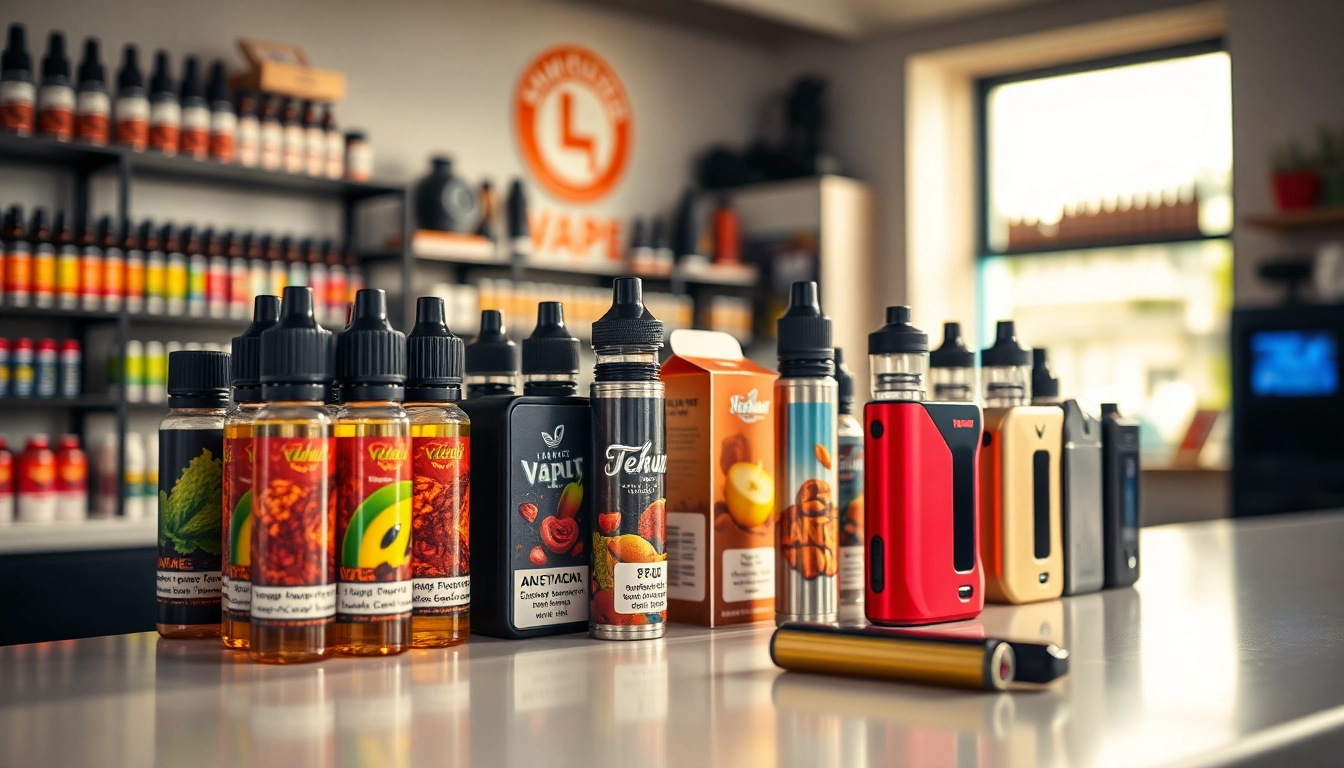
Understanding Vape & E-Liquids
What are Vape & E-Liquids?
Vape & E-Liquids, commonly known as vape juice or e-juice, are the liquids that fuel the devices used for vaping. Primarily used in e-cigarettes and vaporizer pens, these innovative liquids come in a wide array of flavors and formulations, catering to various preferences and needs. Vape & E-Liquids are composed of a few basic ingredients, which typically include propylene glycol (PG), vegetable glycerin (VG), nicotine, and flavorings. Unlike traditional smoking methods that involve combustion, vaping is a process that utilizes a heating element to vaporize these liquids for inhalation, making it a popular alternative for many individuals seeking to avoid the health risks associated with smoking conventional tobacco products. For those interested in delving deeper into this topic, resources on Vape & E-Liquids can provide valuable information.
Components of E-Liquids: An Overview
The primary components of vape & e-liquids can generally be broken down into four key categories:
- Propylene Glycol (PG): A colorless, odorless liquid often used in food and pharmaceutical products, PG is known for its ability to carry flavor and delivers a throat hit that's similar to traditional smoking.
- Vegetable Glycerin (VG): This thicker liquid provides a smooth vaping experience and produces dense vapor clouds. VG is derived from plant oils and has a slightly sweet taste.
- Nicotine: An optional component found in many vape & e-liquids, nicotine levels can vary widely, allowing users to choose based on their preferences. Some may prefer nicotine-free options for a more relaxed experience.
- Flavorings: Often derived from natural or artificial sources, flavorings can range from traditional tobacco to exotic fruits, desserts, and even beverages, enhancing the vaping experience.
The Evolution of Vape Products
The vaping industry has witnessed rapid transformation since its inception. Originally, smoking cessation users relied on basic e-cigarettes, which resembled traditional cigarettes and typically offered limited flavor and customization options. As the demand for vaping grew, so did the innovation surrounding the technology, leading to the development of more advanced devices like sub-ohm tanks and pod systems.
These advancements have propelled the vaping experience to new heights, offering greater consistency, enhanced flavor delivery, and customization through adjustable settings. Additionally, the proliferation of online retailers has made access to a diverse selection of vape & e-liquids easier than ever, fostering a thriving community of enthusiasts.
Choosing the Right Vape & E-Liquids
Flavor Profiles: Finding Your Perfect Match
One of the most exciting aspects of vaping is the vast array of flavor profiles available to users. While many begin their journey with classic tobacco or menthol flavors, the market has expanded to include something for every palate. Fruity flavors dominate, encompassing everything from mango to watermelon, while dessert-inspired options feature cake, cookie, and chocolate flavors.
For those who enjoy a more complex experience, layered flavors that combine profiles like fruits with desserts can offer a unique vaping adventure. Users are encouraged to experiment with different flavors to find their perfect match and enhance their overall vaping experience.
Nicotine Strengths: What You Need to Know
Choosing the right nicotine strength is a crucial aspect of selecting the ideal vape & e-liquids. The available nicotine levels can range from 0mg (nicotine-free) to high levels, such as 24mg or even higher. Beginners who are transitioning from smoking might prefer higher nicotine concentrations to satisfy their cravings initially, whereas more seasoned vapers may opt for lower strengths as they adapt to vaping.
Gradual reduction of nicotine can also aid individuals attempting to quit smoking altogether, providing flexibility in their vaping journey while helping manage their cravings effectively.
PG/VG Ratios: Understanding the Basics
The balance of PG and VG in vape & e-liquids greatly influences the overall experience. A higher PG content typically results in a throat hit that resembles traditional smoking and carries flavors more intensely. Conversely, a higher VG ratio offers a smoother inhale and produces more vapor. Common PG/VG ratios include 50/50, 70/30, and many others, allowing users to tailor their experience based on preferences regarding vapor production and throat hit.
Understanding these ratios can help vapers determine which type of e-liquid aligns with their desired experience, whether they prioritize flavor, vapor production, or a combination of both.
The Benefits of Using Vape & E-Liquids
Health Considerations and Alternatives
Vaping has gained popularity partly due to perceived health benefits compared to traditional cigarette smoking. While vaping is not without its own risks, it is often viewed as a less harmful alternative. For those looking to quit smoking, transitioning to vape & e-liquids can serve as a viable option, as they provide a similar ritual without the combustion of tobacco, which releases harmful chemicals and tar.
Additionally, vape & e-liquids allow users to have better control over their nicotine intake and can help facilitate gradual cessation, ultimately reducing health risks associated with smoking.
Cost-Effectiveness Compared to Traditional Smoking
From a financial standpoint, many users find that vaping can be more cost-effective than purchasing traditional cigarettes. While the initial investment in vape devices may be slightly higher, the long-term costs associated with buying e-liquids are generally lower, especially since users can often purchase larger bottles for a fraction of the cost of cigarettes.
Furthermore, the ability to customize nicotine levels and flavors may reduce the frequency of purchases, providing another layer of cost savings for the savvy vaper.
Customizability and Personalization
The world of vape & e-liquids is designed around individual preferences and personalization. With countless flavors, adjustable nicotine levels, and diverse devices, vapers can create a unique experience that caters to their taste and lifestyle. Many enthusiasts enjoy diving into DIY e-liquids, crafting bespoke flavors and formulas that match their specific desires.
This customizability extends to the devices themselves, allowing vapers to select wattage, temperature control settings, and coil options that align with their desired vaping experience. Whether one is a casual user or a dedicated hobbyist, the comprehensive options available foster a sense of personalization that enhances the joy of vaping.
Best Practices for Storing Vape & E-Liquids
Tips for Maintaining Product Quality
Proper storage of vape & e-liquids is essential for preserving their quality and flavor. Here are some best practices to consider:
- Store e-liquids in a cool, dark place away from direct sunlight, as UV rays can degrade the integrity of flavorings and nicotine over time.
- Keep the bottles tightly sealed when not in use to prevent oxidation, which can alter the taste and reduce the effectiveness of the nicotine.
- Ensure that e-liquids are kept out of reach of children and pets, as the concentrated nature of these liquids can pose health risks if ingested.
Safe Storage: Avoiding Common Mistakes
To avoid common storage mistakes, vapers should be mindful of the conditions in which they keep their vape & e-liquids. Here are additional tips to ensure safe storage:
- Avoid storing e-liquids in areas with fluctuating temperatures or high humidity, as these conditions can impact the shelf life and quality of the liquid.
- Do not store vape & e-liquids in vehicles, as the heat can cause the liquid to break down and lose flavor integrity.
- Consider using a dedicated container or box for e-liquids to keep them organized and protected from external factors.
Expiration Dates and Usage Recommendations
Like many consumer products, vape & e-liquids have a shelf life. It's crucial to pay attention to expiration dates to ensure optimal flavor and performance. Generally, most e-liquids can last up to one to two years when stored properly; however, some may degrade faster based on their composition.
Users should observe for changes in color, taste, or viscosity, as these indicators can signify that the liquid has reached its expiration point. Relying on subjective evaluation alongside producer recommendations can help vapers determine when to dispose of outdated products.
Trends in Vape & E-Liquids
Innovations in Flavor Development
The vaping industry is continuously evolving, particularly in the realm of flavor development. As vaping grows in popularity, manufacturers are investing in research and development to create more complex and enticing flavors. This includes layering multiple flavors to produce unique experiences that captivate vapers.
Additionally, natural and organic flavorings have gained traction, catering to health-conscious consumers seeking products with more wholesome ingredients. The trend toward experimentation has led to blends that are increasingly adventurous, allowing users to discover new and exciting taste sensations.
The Rise of CBD Infused Vape & E-Liquids
As interest in cannabidiol (CBD) continues to escalate, the market for CBD-infused vape & e-liquids has seen tremendous growth. CBD offers potential therapeutic effects without the psychoactive component associated with THC, making it appealing to a wide audience.
These formulations often include a variety of flavors, merging the benefits of CBD with the enjoyment of vaping. Users looking for a calming experience can find a range of products tailored to their preferences and lifestyle needs.
Environmental Impacts and Sustainability Efforts
The rise of various vaping products has prompted discussions about environmental sustainability. As concerns regarding plastic waste and electronic waste grow, the vaping industry is exploring sustainable practices to minimize its impact.
Reusable devices, recyclable components, and sustainable sourcing of ingredients are becoming essential initiatives among certain brands, appealing to eco-conscious consumers. Additionally, community-driven recycling programs encourage users to return expired products, promoting responsible disposal and reducing waste in landfills.