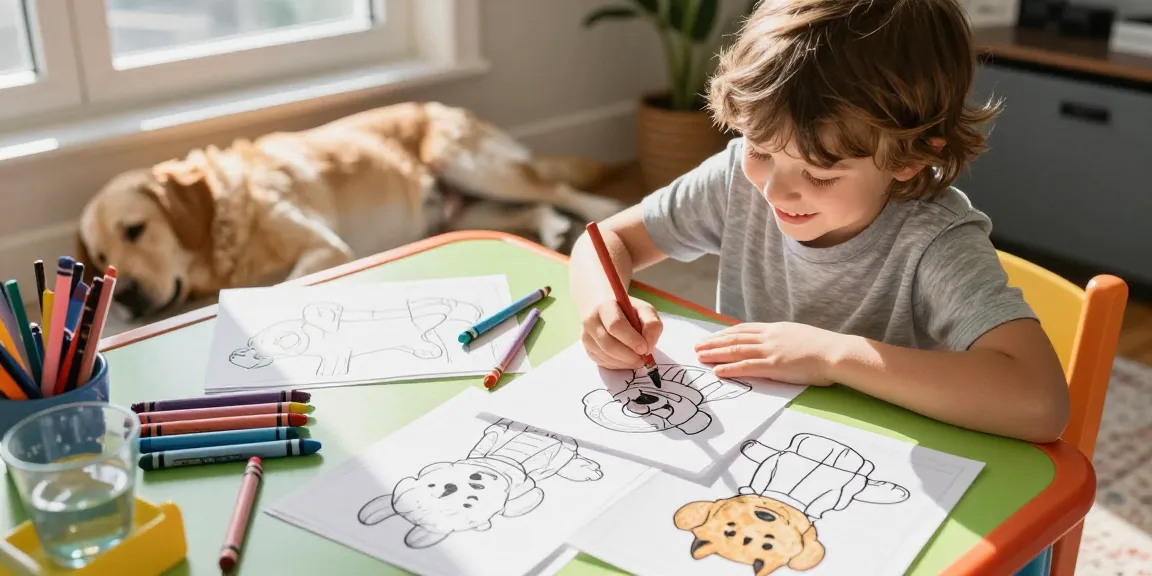
Understanding the Importance of Educational Coloring
Coloring is not merely a fun activity; it's an essential educational tool for children. It combines art and learning, providing young minds with a way to explore their creativity while developing critical skills. One engaging avenue to explore is Educational coloring, which allows children to learn about animals like the beloved Labrador Retriever while they color. This unique combination of fun and education fosters an environment where kids can flourish.
What is Educational Coloring?
Educational coloring refers to the practice of using coloring activities to promote learning in various subjects. Unlike traditional coloring, educational coloring incorporates elements that teach children about specific topics, such as animals, geography, or science. For example, coloring pages featuring Labrador Retrievers can introduce children to animal traits, behavior, and their roles as pets and service animals.
Benefits of Coloring for Children
Coloring offers numerous benefits that contribute to a child's development:
- Fine Motor Skills: Gripping crayons and coloring within lines strengthens hand muscles and improves coordination.
- Creativity: Coloring encourages children to express themselves through color choices and techniques.
- Focus and Concentration: Engaging in coloring requires attention, helping improve a child's ability to concentrate for extended periods.
- Emotional Expression: Coloring can be therapeutic, allowing children to convey feelings in a safe and creative way.
How Coloring Enhances Learning Experiences
Integrating coloring with educational content enhances traditional learning experiences. It allows children to absorb information passively while engaging actively with the material. For instance, while coloring a Labrador Retriever, children learn about the dog’s characteristics, such as friendly behavior and intelligence, which can spark discussions about responsibility and care.
Types of Labrador Retriever Coloring Pages
The world of Labrador Retriever coloring pages is diverse, offering something for everyone. From simple outlines for toddlers to intricate designs for older kids, there is a page suited for every level of ability.
Realistic vs. Cartoon Styles
Coloring pages come in various styles. Realistic pages depict Labradors in true-to-life settings, while cartoon styles can infuse humor and joy into the activity. Each style serves a different purpose; realistic depictions can educate children about the actual appearance and behaviors of Labradors, while cartoons can make the learning process enjoyable and whimsical.
Choosing the Right Pages for Different Age Groups
When selecting coloring pages, consider the child's age and skill level. Younger children might benefit from simple designs with less detail, allowing them to focus on color selection. In contrast, older children may enjoy more complex images that offer challenges and promote more advanced coloring techniques.
Seasonal and Thematic Coloring Pages
Seasonal and thematic coloring pages can tie in with holidays and events. For example, a Labrador Retriever wearing a party hat for a birthday celebration or a Labrador playing in the snow during winter months provides context and relevance, enhancing the experience. These thematic pages can also be used to introduce concepts related to seasonal changes and festivities.
Tips for Effective Coloring Techniques
To maximize the benefits of coloring, using effective techniques can significantly enhance the overall experience. Here are some tips that can help children and parents alike:
Choosing the Right Colors for Labrador Retrievers
Understanding the typical colors of Labrador Retrievers can improve the authenticity of coloring pictures. Labradors typically come in three colors: yellow, black, and chocolate. Choosing the appropriate shades can reinforce learning while also allowing creative freedom. Encourage children to explore their creativity by using non-traditional colors if they wish!
Using Tools for Better Coloring Results
The choice of coloring tools can dramatically impact the final result. Crayons, colored pencils, and markers each have different effects. For sharper lines, colored pencils might be preferred, while markers can produce vibrant, bold colors. Experimenting with various tools can teach children different techniques, such as blending or layering colors.
Shading and Layering Techniques for Depth
For older children, introducing shading and layering techniques can add depth to their coloring. By using lighter and darker shades to create highlights and shadows, children can learn about light and perspective while enhancing their artistic skills.
Incorporating Learning with Coloring Activities
To blend learning with the fun of coloring, several activities can enhance the educational aspect:
Integrating Fun Facts about Labradors
Incorporating interesting facts about Labrador Retrievers alongside coloring activities can enrich the experience. For instance, sharing that Labs are known for their gentle temperament or their history as working dogs can spark curiosity and foster learning.
Using Coloring to Teach Colors and Techniques
Coloring offers an excellent opportunity to teach basic concepts. As children pick their colors, they can learn about color theory, mixing colors, and recognizing different shades. This process promotes cognitive development and creativity simultaneously.
Creating Challenges to Enhance Engagement
Engaging children through challenges can make coloring even more enjoyable. For example, parents could challenge their children to color a Labrador Retriever in unique colors or to create a background that tells a story about the dog. These activities help children think critically and creatively.
Measuring Success in Educational Coloring Activities
To ensure that educational coloring is effective, it's essential to measure the success of these activities. Here are some strategies:
Assessing Skill Development and Creativity
Observation is key to assessing a child’s progress. Parents can note improvements in fine motor skills, creativity, and color selection over time, providing valuable feedback for both the child and the parent.
Collecting Feedback from Young Artists
Encouraging children to express their thoughts on their coloring experiences can provide insights into what they enjoy and learn. This feedback can guide future coloring activities and help tailor them to their interests.
Utilizing Progress Tracking Tools
Using charts or journals to log coloring activities can help track a child's progress over time. Parents can document the various techniques learned, improvements in skills, and changes in creative expression.
How Can Parents Support Educational Coloring?
Parents play a crucial role in fostering a love for educational coloring. Providing a variety of materials, encouraging creative exploration, and engaging with children during coloring can enhance the educational experience. By actively participating, parents can also model techniques and share their own creativity.
What Are the Best Materials for Educational Coloring?
Choosing high-quality materials can make a significant difference. Non-toxic crayons, high-quality colored pencils, and markers designed for children can enhance the coloring experience. Additionally, ensuring that the coloring pages are printed on thick paper can prevent bleeding and tearing.
How Often Should Kids Color for Maximum Benefits?
Regular coloring sessions are beneficial. Setting aside time weekly for coloring allows children to practice and develop their skills continually. Even short sessions can be valuable if done consistently, as they reinforce learning and creativity.