
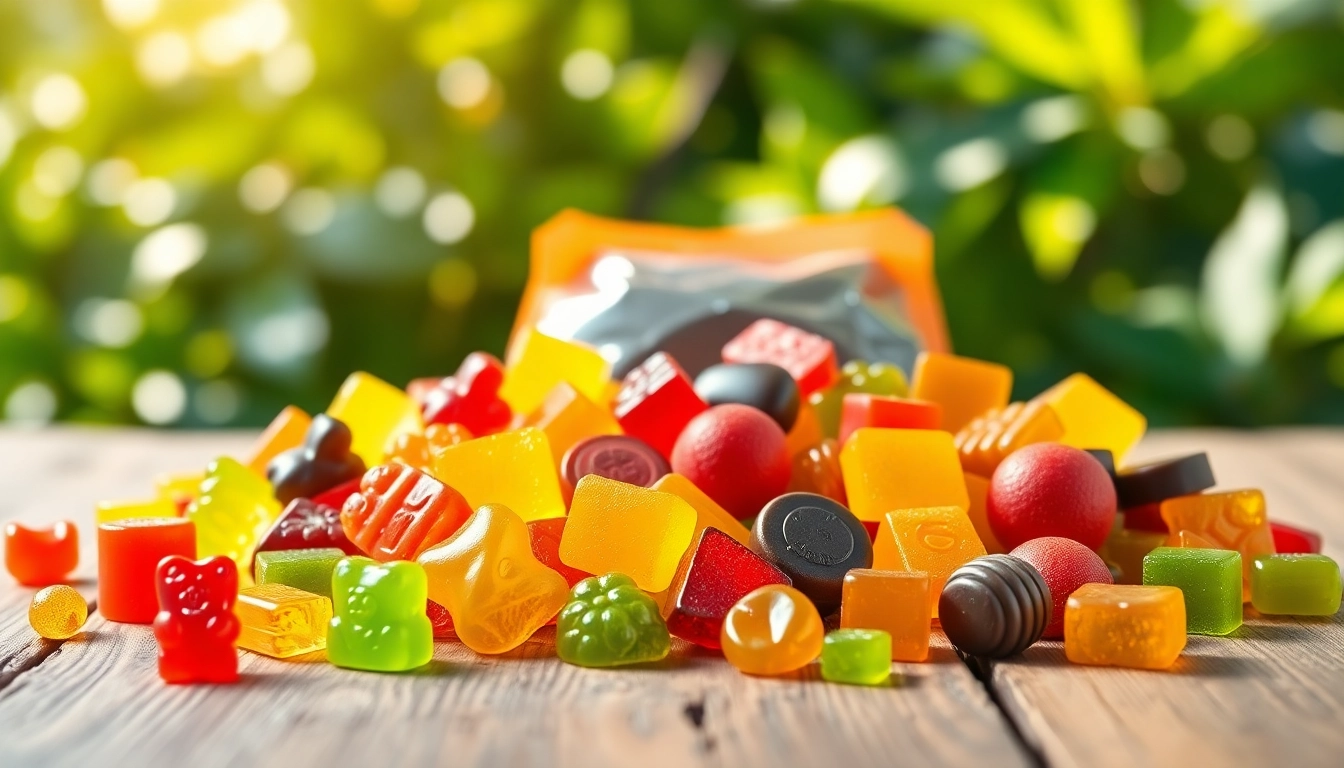
Understanding the Market for Wholesale CBD Edibles
As the cannabis industry continues to gain traction, the demand for wholesale cbd edibles has skyrocketed. Edibles allow consumers to experience the benefits of CBD while enjoying delicious flavors, making them a preferred choice for many. This article will explore the current landscape of the wholesale CBD edibles market, covering trends, consumer preferences, and growth opportunities.
Current Trends in CBD Edibles
The market for CBD edibles is characterized by constant innovation and diversification. Manufacturers are introducing a wide array of products ranging from traditional gummies and chocolates to more inventive options like infused beverages and savory snacks. Here are some notable trends impacting the industry:
- Flavor Innovation: Flavored CBD edibles, particularly gummies, are becoming increasingly popular, with brands offering unique combinations that appeal to younger demographics.
- Health-Conscious Options: As consumers become more health-focused, demand for organic, vegan, and gluten-free CBD edibles is rising. Brands are responding by reformulating products to meet these standards.
- Functional Edibles: There is a growing interest in functional edibles that integrate CBD with other beneficial ingredients like vitamins, minerals, and adaptogens to enhance health benefits.
Consumer Preferences and Demographics
Understanding consumer preferences is essential for anyone seeking to enter the wholesale CBD edibles market. Key demographics show a varied range of preferences:
- Age: Younger consumers, particularly Millennials and Gen Z, tend to favor imaginative flavors and packaging, while older demographics gravitate toward products that emphasize health benefits.
- Usage Patterns: Many consumers prefer low-dose edibles for casual use, while some are looking for higher doses for therapeutic purposes. Brands must tailor their offerings accordingly.
- Sustainability Concerns: Environmental consciousness is influencing purchasing decisions, leading consumers to choose brands that prioritize sustainable sourcing and eco-friendly packaging.
Market Growth and Opportunities
The wholesale CBD edibles market is experiencing rapid growth, presenting numerous opportunities for both new entrants and established companies. Reported growth rates indicate this sector could continue to expand as more states legalize cannabis and awareness of its benefits increases. Potential avenues for growth include:
- Geographic Expansion: Tapping into emerging markets, especially states where cannabis is newly legalized, can open up significant opportunities.
- Online Sales Channels: With the rise of e-commerce, companies that adopt robust online marketing strategies will be well-positioned to reach a broader consumer base.
- Partnerships and Collaborations: Forming partnerships with health and wellness retailers, cafes, and fitness centers can greatly enhance product visibility and acceptance among targeted consumers.
Types of Wholesale CBD Edibles Available
Gummies and Candies: Flavor and Variety
Certainly, gummies have become synonymous with CBD edibles. Their versatility, convenience, and appealing taste make them a favorite among consumers. They come in various flavors, shapes, and formulations, allowing customers to choose based on their preferences. Some popular variations include:
- Fruit Flavored Gummies: These often attract a younger audience, with bold flavors and colors. They can also come in assorted packs to appeal to different palates.
- Vegan and Organic Options: These cater to health-conscious consumers who seek products that align with their lifestyle choices.
- Sugar-Free Alternatives: Offering diabetic-friendly or low-calorie options is increasingly important in meeting the preferences of a more diverse consumer base.
Baked Goods and Chocolates: Mainstream Appeal
Baked goods and chocolates provide a mainstream approach to CBD consumption. They often carry the allure of a comforting dessert, making them particularly appealing. The range of products includes:
- Cakes and Cookies: These items blend traditional baking with CBD, offering a familiar yet novel experience for consumers.
- Chocolate Bars: Rich chocolate infused with CBD not only appeals to the sweet tooth but also gives a premium aesthetic to the product.
- Seasonal Offerings: Brands often introduce limited-time baked goods around holidays, creating a sense of urgency and exclusivity that can drive sales.
Innovative CBD Infusions: Beyond Traditional Edibles
As the market matures, manufacturers are looking beyond conventional products to attract consumers. This includes innovative infusions such as:
- Beverages: CBD-infused drinks, including teas, coffees, and energy drinks, are gaining popularity for their convenience and refreshing taste.
- Savory Snacks: Chips, popcorn, and other savory snacks can also be infused with CBD, appealing to consumers looking for non-sweet alternatives.
- Cooking Ingredients: CBD oils and butters marketed for culinary use provide consumers with the ability to create their own edibles.
How to Source Quality Wholesale CBD Edibles
Finding reliable suppliers for wholesale CBD edibles is crucial for business success. Here are key steps to effectively source these products:
Evaluating Supplier Credibility
When sourcing products, evaluating supplier credibility is paramount. Look for:
- Certification: Ensure potential suppliers have relevant certifications, which indicate compliance with industry standards and regulations.
- Transparency: A reputable supplier should provide detailed information about their sourcing and production processes, including third-party lab testing results.
- Industry Reputation: Research customer reviews and testimonials to gauge the supplier's reliability and quality of products.
Understanding Pricing Structures
Each supplier will have its pricing structure, driven by factors such as production costs, quality, and supply chain efficiencies. Keep the following in mind:
- Bulk Discounts: Many suppliers offer bulk pricing which can significantly reduce costs as order quantities increase.
- Shipping Fees: Factor in shipping costs, as they can affect the overall profitability of purchasing from a specific supplier.
- Payment Terms: Be cognizant of differing payment terms and options that suppliers may offer, which can affect cash flow.
Quality Assurance and Certification Standards
Ensuring the products you source meet high-quality standards is critical. Look for:
- Quality Standards: Confirm that products adhere to Good Manufacturing Practices (GMP) and other quality assurance protocols.
- Labeling Compliance: Verify that product labels provide accurate and honest information about ingredients, CBD content, and usage recommendations.
- Testing for Potency and Purity: Require all products to be tested by independent labs to ensure they are free from harmful substances.
Marketing Strategies for Wholesale CBD Edibles
Once you have sourced your wholesale CBD edibles, effective marketing strategies are essential for driving sales and establishing your brand in this competitive segment. Here are several approaches to consider:
Targeting Your Audience Effectively
A well-defined target audience is crucial for effective marketing. Steps to identify and understand your audience include:
- Market Research: Conduct surveys and analyze data to gain insights into consumer behavior, preferences, and demographics.
- Developing Buyer Personas: Create detailed profiles of your ideal customers, including their interests, purchasing habits, and pain points.
- Segmentation: Categorize your audience into segments based on consumer behavior to personalize marketing efforts.
Creating Engaging Online Content
Content marketing is an effective way to educate consumers and build brand awareness. Consider these strategies:
- Educational Blogs: Publish articles that inform consumers about the benefits of CBD, how to use edibles, and the science behind them.
- Engaging Visuals: Utilize high-quality images and videos to showcase your products, emphasizing their unique selling points.
- Social Proof: Incorporate testimonials, reviews, and case studies that highlight satisfied customers to build trust.
Utilizing Social Media Platforms for Promotion
Social media offers an expansive platform for marketing wholesale CBD edibles. Strategies include:
- Targeted Ads: Use social media advertising to directly target specific demographics based on their interests and behaviors.
- Influencer Collaborations: Partner with influencers in the wellness and lifestyle niches to reach a broader audience and enhance credibility.
- Engaging Content: Share regular updates, promotions, recipes, and industry news to keep your audience engaged and informed.
Regulatory Considerations in Selling Wholesale CBD Edibles
Compliance with local and federal regulations is essential for anyone in the wholesale CBD edibles market. Failure to adhere to legislation can result in significant penalties. Here’s what you need to know:
Navigating Local and Federal Laws
The legal landscape for selling CBD products is complex and varies widely across states. Important considerations include:
- State Regulations: Each state has its own regulations regarding the sale of CBD, so it’s crucial to stay informed about the rules governing your specific location.
- Federal Oversight: The FDA currently oversees the introduction of CBD into food and beverages, and understanding their guidelines is critical for compliance.
- Licensing Requirements: Many states require licenses for businesses dealing with hemp and CBD products, which must be secured before selling wholesale edibles.
Labeling and Safety Requirements
Proper product labeling is not only a compliance issue but also a means to communicate transparently with consumers. Ensure labels include:
- Ingredients: Clearly list all ingredients, emphasizing potential allergens.
- Usage Instructions: Include dosage recommendations and any necessary safety warnings.
- QR Codes for Lab Results: Consider integrating QR codes on the packaging that lead consumers to third-party lab test results for transparency.
Best Practices for Compliance
Establishing a comprehensive compliance strategy is crucial for minimizing risk. Best practices include:
- Regular Training: Conduct training sessions for staff on compliance issues, regulatory changes, and labeling standards.
- Continuous Monitoring: Stay updated with industry regulations and adjust your business practices accordingly to maintain compliance.
- Engage Legal Experts: Consulting with legal professionals specializing in cannabis law can help navigate complexities and ensure all operations adhere to regulations.