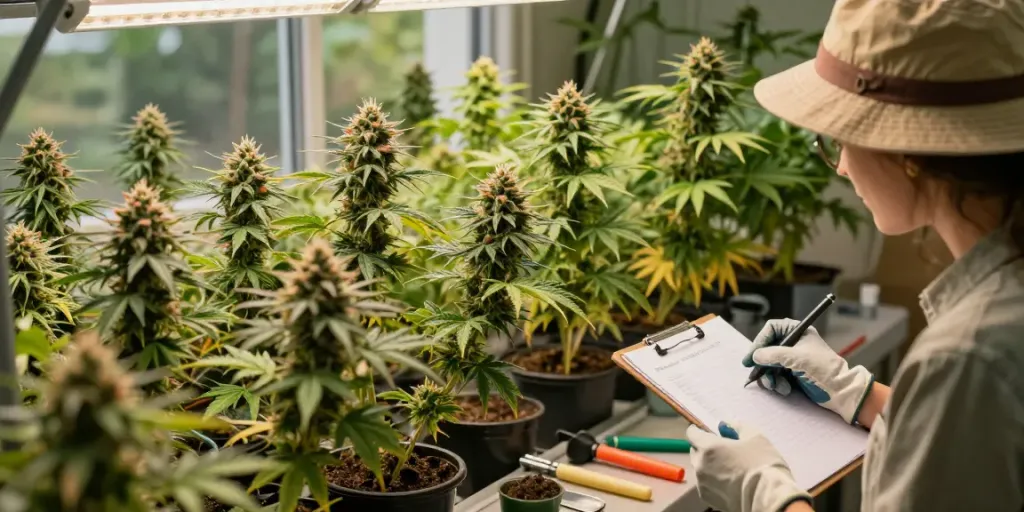
Understanding Autoflower Cannabis Seeds
In the evolving world of cannabis cultivation, autoflower cannabis seeds represent a groundbreaking innovation that appeals to both novice and experienced growers. Unlike traditional photoperiod strains, which require specific light cycles to initiate flowering, these seeds offer a unique advantage: they flower automatically based on the plant's age. This means that growers can enjoy quicker harvests and more flexibility in cultivation practices. As we dive deeper into the intricacies of autoflower seeds, we'll explore their unique attributes, benefits, and the factors that make them an attractive option for many cultivators.
What Are Autoflower Cannabis Seeds?
Autoflower cannabis seeds are derived from a hybrid of Cannabis sativa and Cannabis ruderalis, a lesser-known species that naturally flowers based on age rather than light cycles. This means that autoflower plants can transition to the flowering stage without needing a change in light exposure, making them suitable for a variety of growing environments. These seeds typically produce compact, resilient plants that are capable of generating high yields in a shorter timeframe than their photoperiod counterparts.
The Science Behind Autoflowering
The primary characteristic that defines autoflowering cannabis seeds is their genetic composition. The inclusion of Cannabis ruderalis traits enables these seeds to flower autonomously, which is a significant departure from traditional strains that depend heavily on light cycles to indicate when to flower. This unique capability arises from evolutionary adaptations that allow ruderalis plants to thrive in harsher climates, where the growing season may be limited. By marrying this trait with commercially valuable strains, breeders have developed a wide array of autoflower varieties that boast impressive flavors, potency, and growth characteristics.
Benefits of Growing Autoflower Cannabis
Choosing to grow autoflower cannabis seeds comes with several distinct advantages:
- Rapid Growth Cycle: Autoflower strains generally go from seed to harvest in as little as 6 to 12 weeks, allowing for multiple harvests per season.
- Space Efficiency: Due to their typically shorter stature, these plants fit well in confined areas, making them ideal for indoor gardens or discreet outdoor setups.
- Less Maintenance Required: Autoflower plants are more forgiving of beginner errors, as they do not require meticulous light scheduling or extensive pruning.
- High Potency and Variety: With modern breeding techniques, many autoflower strains deliver high THC and CBD levels, offering a wide range of effects tailored for different preferences.
Choosing the Right Autoflower Strains
When it comes to selecting the best autoflower strains for your cultivation efforts, there are several factors to consider, including potency, yield, and resilience to environmental stress.
Popular Autoflower Genetics Explained
Some of the most sought-after autoflower cannabis seed varieties include:
- Purplematic CBD: Known for its balanced CBD to THC ratio, this strain is perfect for therapeutic use.
- Northern Light Auto: A classic strain that offers a potent and relaxing experience along with robust yields.
- Gorilla Zkittlez: A flavor-packed variety with extraordinary potency, ideal for those seeking a sweet and powerful smoke.
Comparing Strains: Yield, THC, and CBD Levels
When evaluating different autoflower strains, pay attention to their yield potential, THC and CBD content, and flowering time. Some strains may yield moderate amounts but boast exceptionally high THC levels, while others might focus on medicinal properties with higher CBD concentrations. Understanding these qualities will help you select the strain that best fits your goals and cultivation environment.
How to Select for Your Environment
Different autoflower strains may be better suited to specific growing environments. Consider the following:
- If you have limited space, opt for shorter, bushy strains.
- For outdoor growing, select strains that can handle local climate conditions, including humidity and temperature fluctuations.
- Indoor growers should assess their light setup to ensure optimal growth conditions for the chosen strain.
Growing Techniques for Autoflowering Cannabis
Successfully cultivating autoflower cannabis requires understanding their unique growth needs and adapting your techniques accordingly.
Optimal Growing Conditions
Autoflower plants thrive in environments where temperature and humidity are well-regulated. Aim for daytime temperatures between 70°F and 85°F and maintain humidity levels of around 40-50% during the vegetative phase. As plants transition to flowering, a gradual reduction in humidity can help prevent mold and mildew.
Watering and Nutrient Needs
Establishing a consistent watering schedule is crucial for autoflower cannabis plants. These plants prefer a "wet and dry" approach, where the soil is allowed to dry out slightly before the next watering. Nutritionally, autoflower strains benefit from a balanced feed with appropriate macronutrients (nitrogen, phosphorus, potassium) and micronutrients. Regularly assess the plant’s health and adjust feeding accordingly.
Lighting Considerations for Autoflowers
Although autoflowering cannabis seeds flower on a set schedule, lighting remains essential for optimal growth. When growing indoors, many growers prefer using 18-24 hours of light during the entire growth cycle. This extended light exposure maximizes photosynthesis, leading to healthier, higher-yielding plants.
Common Challenges When Growing Autoflowers
Despite their reputation for being easy to grow, cultivators may encounter some challenges when working with autoflower cannabis seeds.
Addressing Growth Issues
Common growth issues include nutrient deficiencies, overwatering, and pest infestations. Regularly inspect your plants for signs of stress or nutrient imbalance, and perform soil tests when necessary to ensure that your growing medium is adequately supplying necessary nutrients.
Managing Pests and Diseases
Like any crop, autoflower cannabis can be susceptible to pests such as aphids, spider mites, and whiteflies. Preventative measures, such as maintaining a clean growing environment and using companion planting techniques, can help deter pests. Additionally, consider utilizing organic pesticides when infestations occur, always prioritizing non-toxic options.
Overcoming Climate Challenges
Cultivating outdoors comes with its own set of climate challenges, including adverse weather conditions and temperature fluctuations. Growers in regions with unpredictable climates may benefit from using greenhouses or cold frames to protect their plants, ensuring a stable growing environment.
Future Trends in Autoflower Cannabis Cultivation
As the cannabis industry continues to evolve, so too do the trends in autoflower cultivation.
Emerging Breeding Techniques
Breeders are continually innovating to create more robust autoflower strains, focusing on traits such as improved disease resistance, higher yields, and unique cannabinoid profiles. This trend promises to broaden the appeal and effectiveness of autoflowering cannabis seeds for all growers.
Technological Advances in Indoor Growing
With advancements in indoor growing technologies, such as LED lighting and hydroponic systems, growers can expect to see enhanced efficiency and yield quality. Seeds bred specifically for these technologies will likely dominate future markets, setting new standards for production.
Expectations for the Autoflower Market in 2026
As we look ahead to 2026, the demand for autoflower cannabis seeds is expected to rise significantly, driven by a growing appreciation for their ease of cultivation and adaptability. Increased consumer education and acceptance of cannabis products will likely lead to a broadened market with access to diverse strains tailored for various needs.
What Are the Benefits of Autoflower Cannabis Seeds?
In summary, autoflower cannabis seeds offer a multitude of benefits: rapid growth cycles, reduced maintenance, compact size, and an array of potent varieties. They are particularly well-suited for novice growers or those with limited gardening space.
How Long Does It Take Autoflower Seeds to Grow?
The time from seed to harvest for autoflowering cannabis seeds typically ranges from 6 to 12 weeks, depending on the strain and environmental conditions. This rapid turnaround allows growers to maximize their cultivation potential throughout the year.
Can You Soak Autoflower Seeds Before Planting?
Soaking autoflower seeds before planting is not generally recommended, as this can lead to the seeds becoming overly saturated and potentially rotting. Instead, it's best to plant seeds directly in the soil or growing medium.
What Is the Downside to Autoflowering Seeds?
While autoflower cannabis seeds have numerous advantages, some drawbacks include generally lower yields compared to photoperiod strains and the inability to manipulate the flowering cycle. Growers seeking to maximize yield may want to consider the trade-offs before committing to autoflower varieties for their projects.